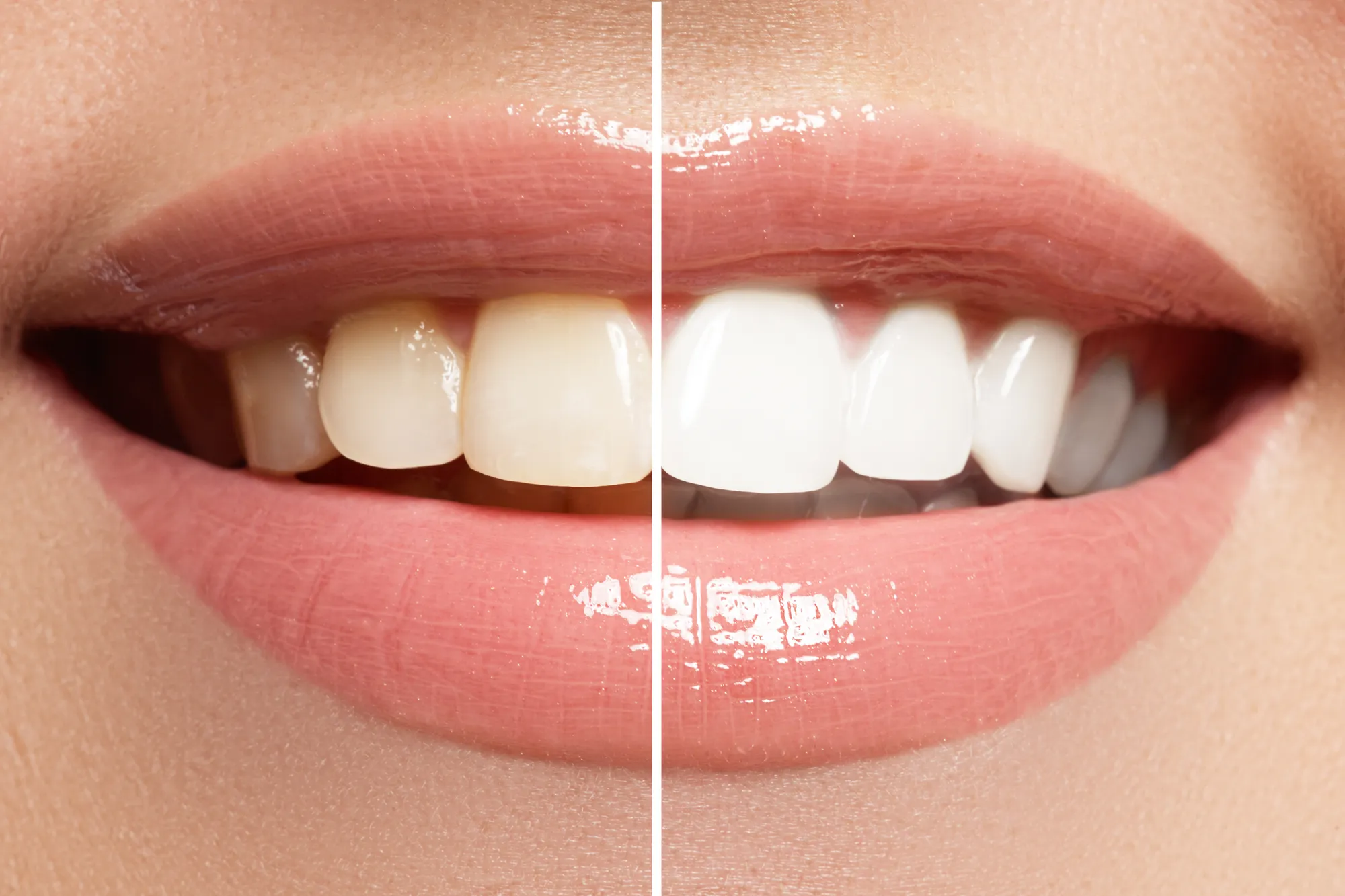
Dental veneers and dental bonding can both improve the appearance of teeth, but they are not the same treatment.
Both options can be used to address certain cosmetic concerns, including discoloration, minor chips, uneven tooth shapes, and other imperfections. However, the materials, application process, durability, and ideal use cases differ.
If you are considering cosmetic dental treatment, understanding the differences between veneers and bonding can help you have a more informed conversation with your dentist.
What Are Dental Veneers?
Dental veneers are thin shells designed to cover the visible surface of a tooth.
They can be made from materials such as porcelain or other dental ceramics, depending on the treatment plan.
Veneers are custom-designed to fit the shape, size, color, and appearance of the teeth being treated.
They may be considered for patients who want to address cosmetic concerns such as:
- Discolored teeth
- Chipped teeth
- Uneven tooth shape
- Minor size discrepancies
- Certain gaps
- Mild cosmetic irregularities
The suitability of veneers depends on the condition of the teeth and the patient's overall oral health.
What Is Dental Bonding?
Dental bonding uses tooth-colored composite resin that is applied directly to the tooth.
The dentist shapes and contours the material to improve the appearance of the tooth before hardening and polishing it.
Bonding can often be used to address smaller cosmetic imperfections without requiring the same type of laboratory-created restoration used for many veneer treatments.
It may be considered for:
- Small chips
- Minor cracks
- Slightly uneven edges
- Small gaps
- Certain discoloration concerns
- Minor changes in tooth shape
The right option depends on what you want to change and how much alteration your teeth require.
Veneers vs. Bonding: The Main Difference
The biggest difference is the type of restoration and how it is applied.
Dental bonding: Composite resin is placed directly onto the tooth and shaped by the dentist.
Dental veneers: A custom-made shell is designed to cover the visible tooth surface.
Neither option is automatically better for every patient.
The better choice depends on your cosmetic goals, tooth condition, budget, desired longevity, and the recommendation of your dentist.
Which Option Looks More Natural?
Both bonding and veneers can produce natural-looking results when properly planned and completed.
The appearance depends on factors such as:
- Tooth color
- Shape
- Proportion
- Surface texture
- Bite
- Smile design
- Material selection
- Dentist's technique
Porcelain veneers can be highly customized for color and translucency, while composite bonding can also be shaped and polished to blend with surrounding teeth.
A cosmetic consultation is important if you want a result that matches the rest of your smile.
Which Treatment Is More Durable?
Veneers are generally considered a longer-term cosmetic restoration than direct composite bonding, but neither should be considered indestructible.
Bonding can chip or wear, particularly when exposed to heavy biting forces.
Veneers can also chip, crack, or become damaged.
Your individual habits matter. Biting your nails, chewing ice, opening packages with your teeth, or grinding your teeth can increase stress on cosmetic dental work.
Your dentist can explain the expected durability of each option based on your specific situation.
Is Dental Bonding Reversible?
One potential advantage of bonding is that it can often be performed with minimal alteration to the natural tooth.
However, whether bonding is completely reversible depends on how the tooth is prepared and what treatment is performed.
Veneer treatment may involve some removal or preparation of the natural tooth structure depending on the type of veneer and the clinical approach.
Because of this, patients should discuss the preparation requirements carefully before choosing veneers.
Which Is More Affordable?
The cost of cosmetic dentistry varies from patient to patient.
Bonding is often less expensive per tooth than veneers because the process may require less laboratory work and fewer treatment stages.
However, price should not be the only consideration.
A lower initial cost may not necessarily make one option better if it does not provide the appearance, durability, or function you want.
Your dentist can compare the treatment options and explain the expected maintenance and replacement considerations.
How Long Does Treatment Take?
Dental bonding can often be completed relatively quickly because the composite material is shaped directly on the tooth.
Veneers generally involve a more detailed planning and fabrication process. Depending on the treatment approach, multiple appointments may be necessary.
The exact timeline depends on the number of teeth being treated, the type of veneer selected, preparation requirements, and laboratory production.
Can Veneers or Bonding Fix Crooked Teeth?
Neither treatment should automatically be considered a replacement for orthodontic treatment.
Very minor changes in tooth shape or position may sometimes be addressed cosmetically, but more significant crowding or bite problems may require orthodontic evaluation.
Trying to use cosmetic treatment to compensate for a major functional problem may not be appropriate.
Your dentist can determine whether veneers, bonding, orthodontics, or another treatment is more suitable.
Can They Fix Tooth Discoloration?
Both treatments can improve the appearance of certain discolored teeth.
However, the cause of discoloration matters.
Some stains may respond to professional whitening, while others may require a restoration to achieve the desired appearance.
If you have severe or internal discoloration, your dentist can explain which cosmetic option is most appropriate.
How Do You Care for Veneers and Bonding?
Good oral hygiene remains important regardless of which treatment you choose.
You should:
- Brush regularly with fluoride toothpaste.
- Clean between your teeth.
- Attend routine dental examinations.
- Avoid chewing extremely hard objects.
- Avoid using your teeth as tools.
- Follow your dentist's maintenance instructions.
- Address grinding or clenching if it is present.
Although veneers and bonding improve the appearance of teeth, the underlying teeth and gums still require regular care.
What Happens If Bonding Chips?
A chipped bonded tooth can often be repaired or reshaped depending on the extent of the damage.
The dentist will assess the tooth and determine whether the existing material can be repaired or whether another restoration is more appropriate.
Do not try to repair a chipped bonded tooth yourself.
What Happens If a Veneer Is Damaged?
A damaged veneer should be evaluated by your dentist.
Depending on the problem, the veneer may require repair or replacement.
If a veneer becomes loose or falls off, keep the restoration if possible and contact your dental office. Avoid attempting to permanently reattach it with household adhesive.
Which One Is Right for You?
Dental bonding may be a practical option when you have relatively minor cosmetic imperfections and want a conservative, efficient treatment.
Veneers may be more suitable when you want a more comprehensive change in the appearance of several teeth or need a restoration that covers more of the visible tooth surface.
However, there is no universal answer.
Your dentist should evaluate your teeth, gums, bite, enamel, cosmetic goals, and long-term expectations before recommending a treatment.
Improve Your Smile With NextGen Dental Smiles
If you are deciding between dental veneers and bonding, a cosmetic dental consultation can help you understand what is realistic for your smile.
NextGen Dental Smiles provides personalized cosmetic dental care in Vacaville, CA, with treatment recommendations based on your teeth, oral health, and smile goals.
Get Started
Your Smile is Our Priority
Schedule an appointment with us today to discover the difference of advanced, proven technologies, a full suite of services, and exceptional quality in dental care – all tailored to give you a healthier, happier smile.
SCHEDULE TODAY
.svg)
.svg)
.svg)

.svg)

.svg)
.svg)
.svg)

.svg)