
Many people postpone dental appointments when their teeth feel fine. If there is no pain, it can be easy to assume that everything is healthy.
However, dental problems do not always cause noticeable symptoms in their early stages.
Regular dental checkups are designed to identify problems before they become more difficult, uncomfortable, or expensive to treat. They also give your dental team an opportunity to monitor changes in your teeth, gums, bite, and overall oral health.
So what can happen if you continually skip dental checkups?
Cavities May Progress Without Obvious Symptoms
Tooth decay does not always cause immediate pain.
A cavity can begin as a small area of enamel damage and gradually progress deeper into the tooth. By the time you experience significant sensitivity or pain, the decay may have already reached deeper structures.
During a dental examination, your dentist can look for signs of decay and determine whether further testing or imaging is needed.
Early treatment may allow a smaller restoration to address the problem instead of waiting until more extensive treatment is required.
Gum Disease Can Develop Quietly
Gum disease is another reason regular examinations matter.
Early gum disease can cause symptoms such as redness, swelling, or bleeding when brushing. However, some people may not notice these changes or may assume that bleeding is normal.
Untreated gum disease can become more advanced and affect the tissues and bone supporting the teeth.
Professional dental care combined with good home hygiene can help manage risk and identify problems earlier.
Plaque and Tartar Can Build Up
Daily brushing and flossing are essential, but they cannot always remove every area of buildup.
Dental cleanings help remove hardened deposits that cannot be eliminated effectively with ordinary brushing.
The frequency of professional cleanings depends on individual oral health. Some patients may need more frequent maintenance because of gum disease, oral hygiene challenges, medical factors, or other risks.
Small Problems Can Become Larger Problems
A small dental issue may be easier to manage than an advanced one.
For example, untreated decay can progress toward the inner portion of a tooth. A minor crack can become larger under repeated chewing forces. Gum inflammation can progress when the underlying cause is not addressed.
Regular examinations create opportunities to identify these problems earlier.
You May Miss Early Signs of Tooth Wear
Teeth can gradually wear down because of grinding, clenching, acidic foods and drinks, aggressive brushing, or other factors.
You may not notice gradual changes because they happen over a long period.
Your dentist can assess patterns of tooth wear and determine whether additional evaluation or preventive strategies are appropriate.
If you grind your teeth at night, for example, your dentist may discuss ways to reduce excessive forces on your teeth.
Dental X-Rays Can Reveal Problems Beneath the Surface
Some dental problems cannot be identified through a visual examination alone.
Dental X-rays can help your dentist evaluate areas that are difficult to see directly, including parts of the teeth and surrounding bone.
The type and frequency of imaging should be based on your dental needs, history, age, risk factors, and clinical findings.
Skipping appointments may mean missing opportunities to detect changes that are not yet causing symptoms.
Existing Dental Work Needs Monitoring
Fillings, crowns, bridges, implants, and other dental restorations are designed to function for extended periods, but they can experience wear or damage.
Regular examinations allow your dentist to monitor existing dental work and identify changes such as:
- Cracks
- Worn restorations
- Leakage around restorations
- Changes in the bite
- Gum inflammation
- Problems around dental implants
A restoration that appears normal to you may still require professional evaluation.
You May Increase Your Risk of Dental Emergencies
Not every dental emergency can be prevented.
Accidents and unexpected problems can happen to anyone.
However, regular preventive care can help identify certain risks before they become urgent.
For example, untreated decay, gum infection, or a damaged restoration may eventually contribute to pain or infection.
Addressing problems earlier can reduce the chance that they develop into an urgent dental situation.
Skipping Checkups Can Make Treatment More Complex
The longer a dental problem progresses, the more complicated treatment may become.
A small cavity may require a simple restoration. If decay progresses deep into the tooth, treatment could become more extensive.
Similarly, gum disease that is identified early may be easier to manage than advanced periodontal disease involving supporting bone.
This does not mean every missed appointment will result in serious dental problems. Your risk depends on your individual oral health, habits, medical history, and other factors.
How Often Should You Visit the Dentist?
There is no universal schedule that works for every patient.
Many people are advised to have routine dental examinations and cleanings approximately every six months. However, patients with specific dental conditions or increased risk may need visits more frequently.
Your dentist can recommend a schedule based on your oral health rather than following a one-size-fits-all approach.
What Happens During a Preventive Dental Visit?
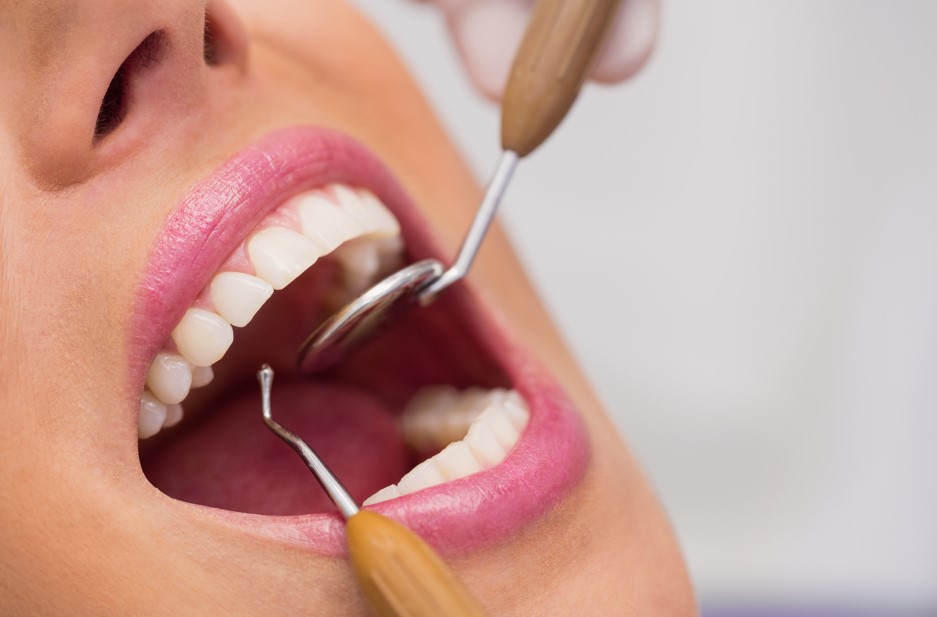
A routine dental visit may include an examination of your teeth and gums, professional cleaning, evaluation of existing dental work, and diagnostic imaging when appropriate.
Your dentist may also discuss:
- Brushing technique
- Flossing
- Diet
- Fluoride
- Gum health
- Cavity risk
- Tooth sensitivity
- Dental habits
- Future treatment needs
Preventive dentistry is not simply about cleaning your teeth. It is about monitoring your oral health and addressing problems before they become more difficult to manage.
Prevention Can Also Save Time and Money
Preventive care does not guarantee that you will never need restorative treatment.
However, identifying problems early can sometimes reduce the amount of treatment required.
A small dental concern may be easier to manage than an advanced infection or severely damaged tooth.
Regular appointments can therefore be viewed as part of long-term oral health maintenance rather than an unnecessary expense.
What Can You Do Between Dental Visits?
Your daily habits remain an important part of prevention.
You can support your oral health by:
- Brushing twice daily with fluoride toothpaste.
- Cleaning between your teeth regularly.
- Limiting frequent sugary snacks and drinks.
- Drinking water throughout the day.
- Avoiding tobacco products.
- Wearing a mouthguard when recommended for sports or grinding.
- Contacting your dentist when you notice a persistent change.
The goal is to combine professional preventive care with consistent home care.
Stay Ahead of Dental Problems With NextGen Dental Smiles
If you have been postponing your dental checkup, now is a good time to schedule an evaluation. NextGen Dental Smiles provides preventive dental care in Vacaville, CA, including routine examinations, professional cleanings, diagnostic imaging, and personalized oral health guidance.
Get Started
Your Smile is Our Priority
Schedule an appointment with us today to discover the difference of advanced, proven technologies, a full suite of services, and exceptional quality in dental care – all tailored to give you a healthier, happier smile.
SCHEDULE TODAY
.svg)
.svg)
.svg)

.svg)

.svg)
.svg)
.svg)

.svg)